










Zambia’s Construction and Infrastructure Pipeline Creates Targeted Growth Opportunities
As construction equipment manufacturers plan for 2026, they are navigating a global market shaped by cost pressures, cautious capital spending and selective pockets of growth. According to Paul Manger, Executive Director of Product Marketing at Kubota Tractor Corporation, high interest rates, tariffs and inflation continue to influence purchasing behaviour, pushing many contractors toward rental models and flexible ownership structures. These trends are increasingly relevant in markets such as Zambia, where contractors are balancing capital discipline with the need to deliver large-scale infrastructure, energy and mining-related projects.
Manger notes that while residential and commercial construction remains a key driver of demand in mature markets, growth tied to energy and infrastructure investment is becoming increasingly important globally. In Zambia, this aligns with ongoing investment in road networks, power generation, mining expansion and associated support infrastructure, all of which rely heavily on compact and mid-sized construction equipment for site preparation, utilities installation and general civil works.

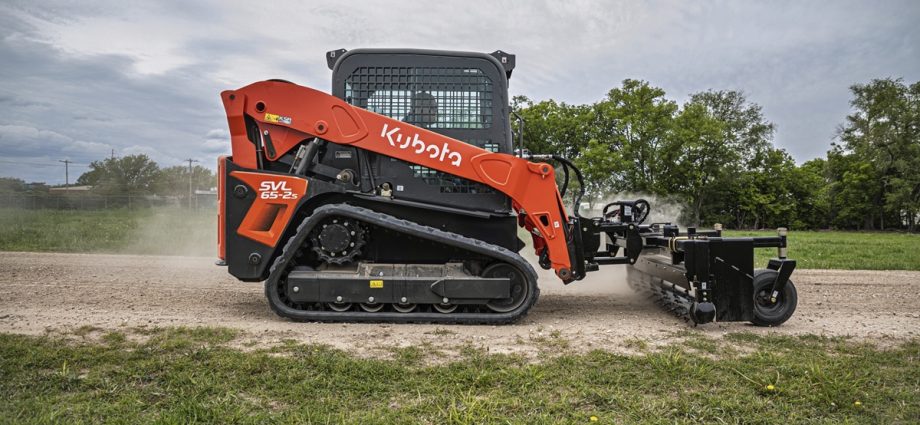
Customer feedback continues to shape Kubota’s product roadmap, with a strong emphasis on durability, ease of ownership and versatility—qualities that resonate strongly with African operating environments. Manger explains that Kubota develops new equipment by listening closely to customers and dealers through field visits, demonstrations and service data. This iterative approach ensures machines are well suited for demanding conditions, remote worksites and variable skill levels often encountered across Zambia’s construction and mining support sectors.
Technology adoption is also being guided by practicality rather than novelty. Kubota is expanding its focus on telematics and machine connectivity to support remote diagnostics and preventative maintenance—capabilities that are particularly valuable in Zambia, where equipment may operate far from major service centres. Safety features, operator-assist technologies and precision controls are also under evaluation, helping contractors deliver consistent results while addressing skills shortages and improving jobsite safety.
Electrification remains an area of selective exploration. Manger notes that while diesel-powered machines will remain dominant in many applications, electrification could gain traction in compact equipment segments as economics improve. In Zambia, this could support quieter, lower-emission operations in urban construction, agricultural estates and environmentally sensitive project areas.
Geopolitical factors and tariffs continue to influence global supply chains, with cost pressures filtering into emerging markets. Kubota has worked to absorb much of these impacts through internal efficiencies, helping to maintain price stability and product availability. Manger says the company remains agile and prepared to respond should global or regional market conditions improve heading into 2026.
Strong dealer partnerships remain central to Kubota’s strategy, particularly in growth markets. Ensuring equipment availability, parts support and trained service technicians is critical in regions like Zambia, where uptime directly affects project schedules and profitability. Kubota continues to invest in dealer training, diagnostic tools and digital parts systems, supported by Kubota University, to ensure local teams are equipped to support increasingly advanced machinery.
From a competitive perspective, Manger identifies established OEMs as Kubota’s primary competitors, though new entrants and technology-led players are also shaping the market. Kubota’s differentiation, he says, lies in reliability, simplicity and total cost of ownership—factors that are especially important for contractors operating in cost-sensitive and logistically complex environments such as Zambia.
Looking ahead over the next three to five years, Manger expects the global equipment market to stabilise and return to gradual growth. Demand in markets like Zambia will increasingly favour machines that offer proven reliability, versatility across multiple applications and strong dealer-backed support. Technology adoption will continue where it delivers clear returns, particularly in telematics, operator-assist systems and safety features that improve uptime and productivity.
With Zambia’s ongoing investment in mining, energy and infrastructure development, Kubota sees opportunities to support contractors and fleet owners seeking dependable equipment solutions that balance performance, cost control and long-term ownership value.
