













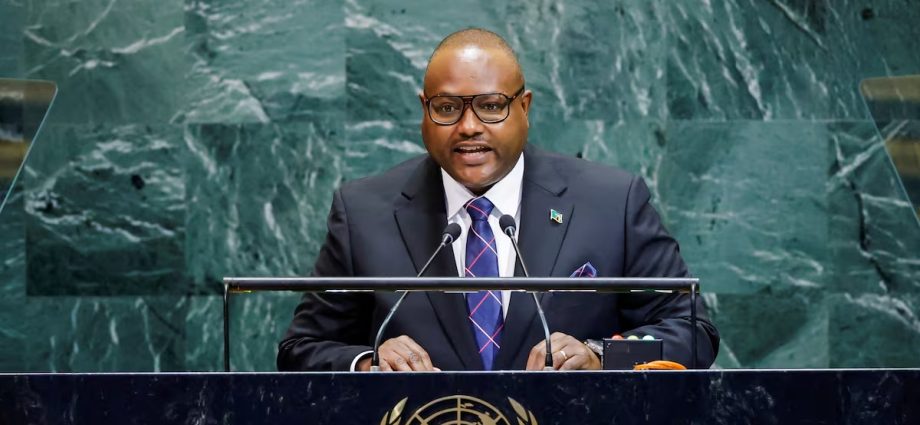
Zambia has declined a proposal from the United States that would have tied up to $2 billion in health-sector funding to access to the country’s critical minerals, highlighting key disagreements that have stalled bilateral negotiations.
Foreign Affairs and International Cooperation Minister Mulambo Haimbe said the draft agreement included provisions for funding over five years but raised concerns around data-sharing requirements and the protection of citizens’ privacy.
Disagreement over linking agreements
Zambian officials have objected to a separate framework on critical minerals being linked to the health funding agreement. According to Haimbe, the proposal effectively made progress on mineral cooperation conditional on signing a health memorandum of understanding.
The government has maintained that both agreements should be assessed independently, based on their respective merits. While specific data provisions were not disclosed, officials indicated that safeguards around personal information remain a central issue.
Concerns over sovereignty and market access
In addition to privacy considerations, Zambia has expressed caution over clauses that could grant preferential access to U.S. companies within its mining sector.
Analysts note that the proposed arrangement raises broader questions about linking development aid to resource access, as well as governance of sensitive health data.
Regional context
The situation reflects a wider trend across parts of Africa, where governments are reassessing similar agreements amid evolving international aid and resource strategies.
Ghana has reportedly declined comparable proposals over data protection concerns, while Zimbabwe withdrew from discussions on a $350 million U.S. health funding package, citing issues related to national sovereignty.
The developments underscore growing scrutiny of agreements that combine development assistance with strategic resource interests.
