








The Democratic Republic of the Congo (DRC) is entering a new phase of economic expansion, with its gross domestic product projected to reach approximately $123 billion by 2026. This growth is expected to position the country as the fifth-largest economy in sub-Saharan Africa, reflecting both strong domestic performance and shifting global dynamics.
At the core of this momentum is a three-pronged strategy built on mining sector expansion, increased foreign currency inflows, and a strengthening national currency. Together, these factors are not only boosting output but also reshaping the country’s broader economic outlook.
Mining Sector Remains the Backbone of Growth
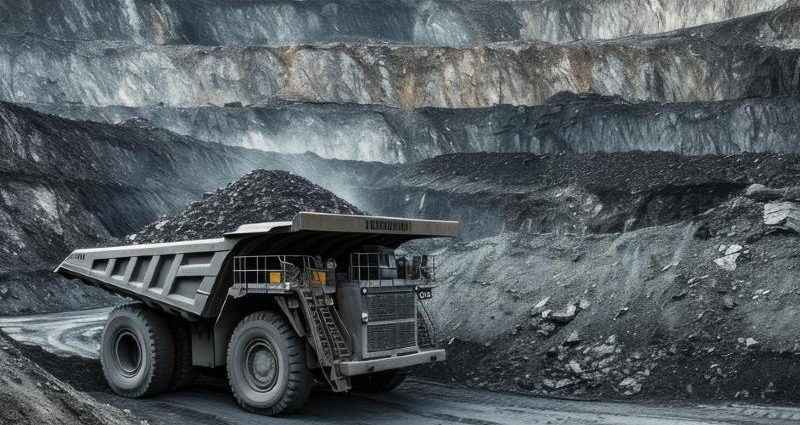
The DRC’s economic trajectory continues to be driven by its vast mineral wealth. The country produces around 70% of the world’s cobalt and remains one of the leading global suppliers of copper, with production exceeding 2.5 million tonnes in recent years.
This dominance translates into significant economic weight. Mining contributes roughly a quarter of GDP, generates more than 80% of export revenues, and attracts the majority of foreign direct investment. Strong global demand for critical minerals—particularly those used in electric vehicles and renewable energy technologies—has further strengthened the sector’s role as a growth engine.
Currency Gains Strengthen Economic Position
A notable development in the DRC’s recent performance is the appreciation of the Congolese franc, which has strengthened significantly against the U.S. dollar. This shift has had multiple positive effects.
A stronger currency has improved the country’s GDP valuation in dollar terms, boosting its global economic ranking. At the same time, it has helped ease inflation by reducing the cost of imported goods, contributing to greater price stability. The currency’s performance has also reinforced confidence in the country’s economic management, supported by growing foreign exchange reserves.
Monetary Reforms Aim to Strengthen Financial Control
Building on this momentum, the Central Bank has introduced reforms designed to improve financial oversight and reduce reliance on foreign currencies. Key measures include the centralization of foreign currency transactions and a planned phase-out of cash payments in foreign currencies.
These reforms are being implemented gradually to allow businesses and consumers time to adapt. The broader objective is to strengthen monetary policy effectiveness, improve transparency, and reduce the high levels of dollarization that have historically limited financial control.
Opportunities for Structural Transformation
The current economic environment presents a significant opportunity for long-term development. Increased mining revenues and improved macroeconomic stability provide the government with fiscal space to invest in key sectors.
Priority areas include energy, where a large portion of the population still lacks access to electricity, as well as agriculture, transport infrastructure, and the digital economy. Strategic investment in these sectors could help reduce dependence on imports, create jobs, and support more balanced growth.
Challenges Remain
Despite these positive trends, structural challenges persist. The economy remains heavily reliant on the mining sector, leaving it exposed to fluctuations in global commodity prices. Infrastructure gaps, skills shortages, and governance constraints also continue to limit broader economic diversification.
Addressing these issues will be critical to sustaining growth and ensuring that economic gains translate into long-term development.
A Defining Moment for the DRC
The Democratic Republic of the Congo stands at a pivotal point in its economic journey. Strong mining performance, a more stable currency, and ongoing reforms are creating a foundation for sustained growth.
The key challenge now is transformation. If current gains are reinvested into productive sectors and supported by continued reform, the DRC has the potential to emerge as a major economic force in the region. If not, its growth will remain closely tied to the volatility of global commodity markets.
For now, the outlook is positive, marking a significant shift for a country long defined by economic instability and untapped potential.
